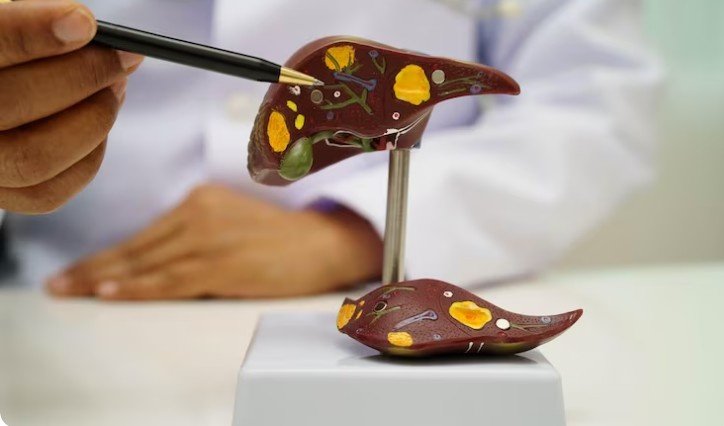
Liver cirrhosis is a serious condition that develops when healthy liver tissue is gradually replaced by scar tissue. Many patients who receive this diagnosis often wonder whether surgery is the only solution. The good news is that in many cases, Liver Cirrhosis Treatment in Faridabad can be managed effectively without surgery, especially when the condition is detected early and treated under expert medical supervision.
Want a direct connection with us on WhatsApp? Click now.
According to Dr. Pulkit Rangarh, timely diagnosis, lifestyle modifications, and appropriate medical treatment can help slow disease progression, manage symptoms, and improve quality of life for many patients living with liver cirrhosis.
Understanding Liver Cirrhosis
The liver performs several essential functions, including detoxifying the body, producing proteins, and aiding digestion. When cirrhosis develops, the liver becomes scarred and loses its ability to function efficiently.
Common causes of liver cirrhosis include:
- Chronic alcohol consumption
- Hepatitis B and Hepatitis C infections
- Fatty liver disease
- Autoimmune liver disorders
- Genetic liver conditions
As scar tissue increases, blood flow through the liver becomes restricted, leading to various health complications. However, not every patient requires surgical intervention.
Can Liver Cirrhosis Be Managed Without Surgery?
Yes, many patients can benefit from non-surgical approaches. The primary goal of Liver Cirrhosis Treatment in Faridabad is to control the underlying cause, prevent further liver damage, and manage complications.
Dr. Pulkit Rangarh emphasizes that treatment plans vary depending on the stage of cirrhosis, overall health condition, and the presence of complications.
Non-surgical treatment is often successful in patients with compensated cirrhosis, where the liver still performs most of its functions despite scarring.
Lifestyle Changes Play a Major Role
One of the most important aspects of managing cirrhosis is adopting healthier lifestyle habits.
Patients are generally advised to:
- Completely avoid alcohol
- Follow a balanced liver-friendly diet
- Maintain a healthy weight
- Stay physically active
- Avoid unnecessary medications
- Manage diabetes and cholesterol levels
These changes may significantly reduce additional liver damage and support overall liver function.
When combined with expert Liver Cirrhosis Treatment in Faridabad, lifestyle modifications can contribute to better long-term outcomes.
Medications Used in Liver Cirrhosis Treatment
Several medications can help manage symptoms and complications associated with cirrhosis.
Depending on the patient’s condition, treatment may include:
Medicines for Fluid Retention
Cirrhosis often causes fluid accumulation in the abdomen and legs. Diuretics may be prescribed to reduce swelling and discomfort.
Treatment for Viral Hepatitis
If hepatitis B or hepatitis C is responsible for liver damage, antiviral medications may help control the infection and slow disease progression.
Medications for Portal Hypertension
High blood pressure in the liver’s blood vessels can lead to serious complications. Certain medicines help reduce this pressure and lower the risk of bleeding.
Nutritional Supplements
Many cirrhosis patients experience nutritional deficiencies. Supplements may be recommended to support overall health and recovery.
Dr. Pulkit Rangarh carefully evaluates each patient before recommending any medication-based treatment strategy.
Monitoring and Regular Follow-Ups
Successful management of cirrhosis requires continuous monitoring.
Routine evaluations may include:
- Liver function tests
- Ultrasound examinations
- FibroScan assessments
- Blood investigations
- Screening for liver cancer
Regular monitoring allows doctors to identify complications early and make timely adjustments to treatment.
Patients receiving Liver Cirrhosis Treatment in Faridabad are encouraged to attend follow-up appointments consistently to achieve the best possible outcomes.
When Is Surgery Considered?
Although many cases can be managed without surgery, certain advanced situations may require surgical intervention.
Surgery may be considered when:
- Severe complications develop
- Liver failure occurs
- Recurrent internal bleeding becomes difficult to control
- Liver cancer is detected
- The liver loses most of its functional capacity
In such cases, a liver transplant may become the most effective treatment option.
However, surgery is generally viewed as a last resort after non-surgical measures have been thoroughly explored.
Early Diagnosis Improves Treatment Success
One of the biggest factors influencing treatment outcomes is early diagnosis.
Many patients do not experience symptoms during the initial stages of cirrhosis. As the disease progresses, symptoms may include:
- Fatigue
- Loss of appetite
- Unexplained weight loss
- Abdominal swelling
- Yellowing of the skin and eyes
- Easy bruising
Seeking medical attention at the earliest sign of liver-related symptoms can make a significant difference. Early-stage Liver Cirrhosis Treatment in Faridabad often focuses on preventing further liver damage and preserving existing liver function.
The Importance of Expert Care
Managing liver cirrhosis requires a personalized approach. Every patient has unique medical needs, risk factors, and treatment goals.
A comprehensive treatment plan typically includes:
- Accurate diagnosis
- Identification of the underlying cause
- Medication management
- Nutritional guidance
- Lifestyle counseling
- Ongoing monitoring
With proper medical care, many patients can continue leading active and productive lives despite a cirrhosis diagnosis.
Conclusion
So, can liver cirrhosis be treated without surgery? In many cases, the answer is yes. Early diagnosis, lifestyle modifications, appropriate medications, and regular monitoring can effectively manage the condition and slow its progression. While surgery may be necessary for advanced liver disease, many patients benefit from non-surgical treatment options. For expert evaluation and personalized care, consult Dr. Pulkit Rangarh, who offers comprehensive guidance and advanced treatment approaches for liver cirrhosis.
For more information or to schedule a consultation, visit https://share.google/bI1IzCyOg3uUQW9n3 and take the first step toward achieving your dream.