The portal vein is one of the body’s most important blood vessels because it carries nutrient-rich blood from the digestive organs to the liver. When this vein becomes narrowed or blocked, it can affect liver function and lead to serious health complications if left untreated. Many people ignore the early symptoms because they resemble common digestive problems. However, recognizing these warning signs and consulting the Best Portal Vein Treatment Doctor in Faridabad at the right time can help prevent complications and improve treatment outcomes.
Want a direct connection with us on WhatsApp? Click now.
Dr. Pulkit Rangarh, an experienced Interventional Radiologist, specializes in advanced, minimally invasive procedures for vascular and liver-related conditions. Early diagnosis often allows treatment before the condition becomes severe.
Why Is the Portal Vein Important?
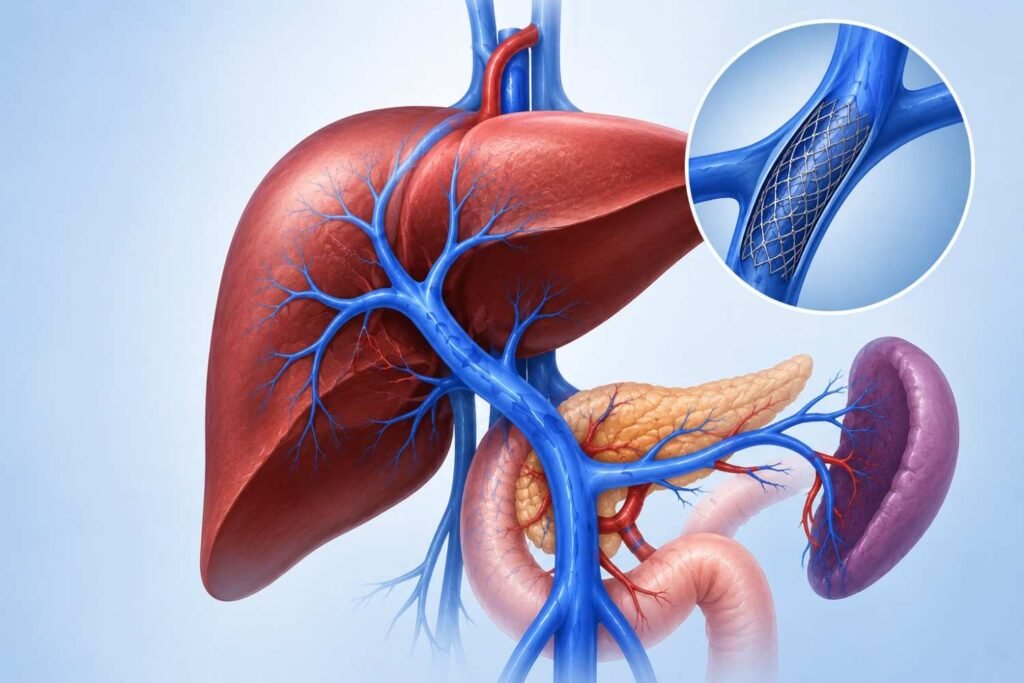
The portal vein delivers blood from the stomach, intestines, pancreas, and spleen to the liver. This blood contains nutrients that the liver processes before distributing them throughout the body. If the blood flow is interrupted because of a clot, narrowing, or increased pressure, the liver cannot function efficiently.
Several conditions, including liver cirrhosis, portal vein thrombosis, abdominal infections, and certain cancers, may affect the portal vein. Early medical attention from the Best Portal Vein Treatment Doctor in Faridabad can significantly reduce the risk of long-term complications.
Persistent Abdominal Discomfort Should Not Be Ignored
Occasional stomach discomfort is common, but pain that continues for several days or frequently returns deserves medical evaluation.
Portal vein disorders may cause:
- Pain in the upper abdomen
- A feeling of heaviness
- Mild tenderness near the liver
- Discomfort after eating
These symptoms are often mistaken for acidity or indigestion, delaying proper diagnosis.
Unexplained Abdominal Swelling
One of the early indicators of increased pressure within the portal vein is fluid accumulation in the abdomen, known as ascites.
You may notice:
- Tight-fitting clothes without weight gain
- A swollen abdomen
- Difficulty bending forward
- Feeling unusually full
While many conditions can cause abdominal swelling, persistent swelling should always be assessed by a specialist.
Digestive Changes That Continue for Weeks
Healthy blood flow supports normal digestion. When circulation to the liver is affected, digestion may also suffer.
Common digestive symptoms include:
- Frequent bloating
- Reduced appetite
- Nausea
- Feeling full after small meals
- Mild indigestion
These symptoms alone do not confirm portal vein disease, but they should not be ignored if they continue despite lifestyle changes.
Dr. Pulkit Rangarh recommends timely evaluation when digestive symptoms persist without an obvious cause.
Fatigue That Doesn’t Improve
Many liver-related conditions develop gradually. One of the earliest changes people experience is persistent tiredness.
You may notice:
- Lack of energy throughout the day
- Difficulty completing routine activities
- Reduced concentration
- General weakness
If fatigue occurs with abdominal discomfort or digestive symptoms, medical assessment becomes even more important.
Enlarged Spleen May Develop Quietly
An increase in pressure within the portal vein can enlarge the spleen. Some individuals experience no symptoms initially, while others may develop:
- Pain beneath the left ribs
- Early fullness after meals
- Mild discomfort during physical activity
Imaging studies such as ultrasound or CT scans are usually needed to confirm this condition.
Swelling in the Legs and Feet
Poor circulation associated with liver disease can also cause fluid retention in the lower limbs.
Symptoms may include:
- Puffy ankles
- Swollen feet
- Tight shoes by evening
- Heaviness while walking
Although swelling has many possible causes, persistent or recurring swelling should never be overlooked.
Bleeding Symptoms Need Immediate Attention
Some portal vein conditions increase pressure inside veins around the stomach and food pipe. These veins can occasionally rupture and bleed.
Warning signs include:
- Vomiting blood
- Black or tar-like stools
- Severe dizziness
- Sudden weakness
These symptoms require urgent medical care and should never be managed at home.
Who Is More Likely to Develop Portal Vein Disorders?
Certain medical conditions increase the likelihood of portal vein disease.
Risk factors include:
- Liver cirrhosis
- Chronic hepatitis
- Blood clotting disorders
- Pancreatitis
- Liver tumors
- Previous abdominal surgery
- Certain abdominal infections
Individuals with these conditions should undergo regular health evaluations to detect problems early.
How Doctors Diagnose Portal Vein Conditions
An accurate diagnosis begins with understanding your symptoms and medical history.
Depending on your condition, your doctor may recommend:
- Doppler Ultrasound
- CT Scan
- MRI
- Liver Function Tests
- Blood Tests
- Angiography, when required
These investigations help identify the exact cause of the problem and determine the most appropriate treatment.
Modern Treatment Options
Treatment depends on the underlying cause, the severity of blockage, and your overall health.
Possible treatment options include:
- Blood-thinning medication
- Clot-dissolving therapy
- Portal vein angioplasty
- Stent placement
- TIPS procedure
- Image-guided minimally invasive interventions
These advanced techniques often provide quicker recovery, less pain, and shorter hospital stays compared to traditional surgery.
Choosing the Best Portal Vein Treatment Doctor in Faridabad ensures that every treatment plan is tailored to the patient’s condition rather than following a one-size-fits-all approach.
Why Early Diagnosis Makes a Difference
Many portal vein disorders progress silently. Seeking medical advice when symptoms first appear can help:
- Preserve liver function
- Prevent internal bleeding
- Reduce portal hypertension
- Lower the risk of complications
- Improve long-term quality of life
Ignoring persistent symptoms may allow the condition to worsen, making treatment more complex.
Conclusion
The early signs of portal vein disease are often subtle, but they should never be dismissed. Persistent abdominal pain, digestive changes, unexplained swelling, fatigue, or bleeding symptoms all deserve proper medical evaluation. Timely diagnosis offers the best chance for effective treatment and helps prevent serious liver-related complications.
If you experience these symptoms, consult the Best Portal Vein Treatment Doctor in Faridabad for a detailed assessment. Dr. Pulkit Rangarh combines clinical expertise with advanced image-guided treatment techniques to provide personalized care for patients with portal vein disorders. With a strong focus on minimally invasive procedures and patient safety, Dr. Pulkit Rangarh aims to deliver effective treatment while supporting faster recovery. Whether you require diagnosis or intervention, Dr. Pulkit Rangarh offers evidence-based care designed to protect your liver health and overall well-being.
For more information or to schedule a consultation, visit https://share.google/bI1IzCyOg3uUQW9n3 and take the first step toward achieving your dream.