
If you have been advised to undergo a drainage procedure, it is natural to wonder whether it will hurt. Many people feel anxious about the idea of an incision, drainage of pus or fluid, and wound care afterward. The good news is that appropriate anesthesia and pain-relief measures are used to make the procedure as comfortable as possible. Drainage Procedure Treatment in Gurgaon may be recommended when an abscess or another collection of fluid needs to be emptied safely.
Want a direct connection with us on WhatsApp? Click now.
The type of anesthesia depends on several factors, including the size and location of the collection, the type of drainage required, and your overall health. Dr. Pulkit Rangarh can assess the condition and explain which approach may be appropriate for you.
What Is a Drainage Procedure?
A drainage procedure is used to remove an unwanted collection of fluid, pus, blood, or infected material from the body. One common example is an abscess, which is a collection of pus caused by infection.
For a skin abscess, drainage generally involves making a small opening so the pus can come out. The area may then be cleaned, and a dressing or packing may be used depending on the wound and the clinical situation.
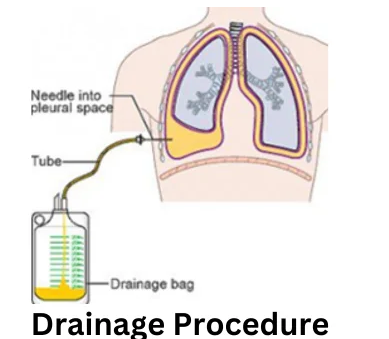
Not every collection requires the same technique. Some deeper abscesses may be drained through a needle or catheter, sometimes with imaging guidance such as ultrasound or CT. In these cases, local anesthesia may be used to numb the skin and surrounding tissues.
Is a Drainage Procedure Painful?
The procedure is designed to minimise pain, but you may experience some discomfort.
If local anesthesia is used, the injection itself can cause brief stinging or discomfort. Once the area becomes numb, you should generally not feel sharp pain during the drainage. You may still notice pressure, movement, or pulling sensations while the doctor works on the affected area.
The level of discomfort can also depend on how inflamed or tender the area is before treatment. An already painful abscess may be more sensitive when the anesthetic is administered.
After drainage, some soreness is possible. Pain usually improves as the underlying collection is emptied, although the wound may remain uncomfortable while it heals.
What Type of Anesthesia Is Used?
The anesthesia selected for Drainage Procedure Treatment in Gurgaon depends on the individual case. Two commonly considered options are local and general anesthesia.
Local Anesthesia
Local anesthesia numbs the treatment area while you remain awake. The doctor injects anesthetic medicine around the affected area. After the area becomes numb, the drainage can be performed without you feeling sharp pain.
You may still feel pressure or touch during the procedure. The injection can also sting briefly before the numbness develops.
Local anesthesia is commonly considered for suitable, accessible abscesses and smaller drainage procedures. It may also allow the patient to return home soon after the treatment when there are no other reasons for observation.
General Anesthesia
General anesthesia puts you into a controlled state of unconsciousness during the procedure. It may be considered when the abscess is large, located in a difficult or particularly sensitive area, or when a more extensive surgical procedure is required.
The choice between local and general anesthesia is not based on pain alone. The doctor considers the location and size of the collection, the planned procedure, and your medical condition.
What Happens During Drainage?
Before Drainage Procedure Treatment in Gurgaon, the doctor examines the affected area and determines the safest way to drain it. Depending on the condition, imaging may be required to identify the collection and guide the procedure.
For a typical skin abscess, the area is cleaned and anesthetised. A small incision is then made to allow the pus to drain. The cavity may be cleaned, and a dressing or packing may be placed when needed.
For deeper collections, a catheter may sometimes be placed through the skin so the fluid can drain into a container. Imaging can help guide the catheter into the correct position.
Dr. Pulkit Rangarh can explain each step beforehand so you know what to expect and can discuss any concerns about pain or anesthesia.
What Can You Expect After the Procedure?
Some discomfort after drainage is normal. Your doctor may recommend appropriate pain relief based on your condition and medical history.
Keeping the wound clean and following dressing instructions are important for proper healing. The exact aftercare depends on the type and location of the drainage procedure.
You should also follow your doctor’s instructions about medicines, wound care, activity, and follow-up appointments. If you notice worsening pain, increasing redness, fever, swelling, or renewed drainage, contact your healthcare provider promptly.
When Should You Consider Drainage?
A painful, swollen or tender lump that contains pus may require medical assessment. Trying to squeeze or puncture an abscess yourself can spread infection and may make the problem worse.
Medical evaluation is especially important when swelling is increasing, pain is significant, or you develop symptoms such as fever or spreading redness.
Choosing professional Drainage Procedure Treatment in Gurgaon can help ensure that the collection is assessed properly and drained using an appropriate technique.
Conclusion
A drainage procedure does not necessarily mean you will experience significant pain. Local anesthesia can numb the treatment area, while general anesthesia may be appropriate for selected cases. Some pressure or brief discomfort can occur, particularly during the anesthetic injection, but the aim is to keep you as comfortable as possible throughout the procedure.
The right approach depends on the location, size, type of collection, and your individual health needs. If you have been advised to undergo Drainage Procedure Treatment in Gurgaon, discuss your concerns about pain and anesthesia with your treating doctor. Dr. Pulkit Rangarh can evaluate your condition and guide you toward an appropriate treatment plan.
For more information or to schedule a consultation, visit https://share.google/bI1IzCyOg3uUQW9n3 and take the first step toward achieving your dream.