
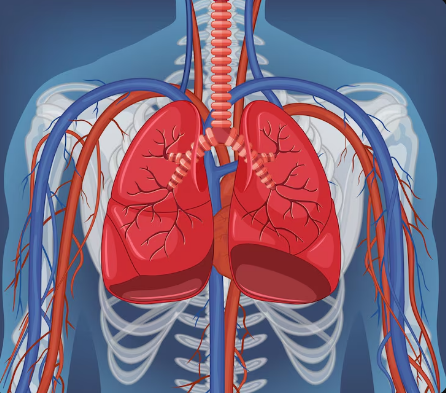
Coughing up blood can be frightening, especially when the bleeding is heavy or keeps returning. In some people, the source of bleeding is an abnormal or enlarged bronchial artery. Bronchial Artery Embolization in Gurgaon is a minimally invasive procedure that can help control this bleeding without the need for open surgery. But how does it actually work?
Dr. Pulkit Rangarh explains that the main goal of bronchial artery embolization is to identify the blood vessel responsible for the bleeding and block it safely. This reduces blood flow to the bleeding area and allows the bleeding to stop.
Want a direct connection with us on WhatsApp? Click now.
What Is Bronchial Artery Embolization?
Bronchial artery embolization, often called BAE, is an image-guided procedure used to control bleeding from the airways or lungs.
The procedure is performed through a small catheter inserted into a blood vessel, usually through the groin or wrist. Using specialised imaging, the interventional specialist guides the catheter toward the bronchial arteries.
Once the bleeding vessel is identified, small embolic materials are delivered through the catheter. These materials block the abnormal blood flow and help stop the bleeding.
Unlike traditional surgery, there is generally no need for a large incision in the chest. This makes the procedure a minimally invasive option in appropriate cases.
Why Do Bronchial Arteries Cause Bleeding?
The bronchial arteries supply blood to the tissues of the lungs and airways. Certain lung conditions can cause these arteries to become enlarged, fragile, or abnormal.
Conditions associated with significant coughing up of blood may include:
- Bronchiectasis
- Tuberculosis and its complications
- Certain chronic lung infections
- Lung tumours
- Fungal disease affecting the lungs
- Other structural or inflammatory lung conditions
When an abnormal bronchial artery becomes damaged, it can bleed into the airways. In some situations, the bleeding can become serious and require urgent treatment.
How Does the Procedure Stop Bleeding?
Step 1: Finding the Bleeding Vessel
Before embolization, doctors use imaging tests to understand the possible source of bleeding. During the procedure, angiography helps visualise the blood vessels supplying the affected area.
The specialist carefully looks for abnormal, enlarged, or actively bleeding vessels.
Step 2: Guiding the Catheter
After administering local anaesthesia, a thin catheter is introduced into an artery. The catheter is gradually guided toward the bronchial artery or other vessel responsible for the bleeding.
Because the catheter is very small, it can travel through the blood vessels without requiring open surgery.
Step 3: Blocking the Abnormal Blood Flow
Once the target vessel is confirmed, embolic material is released through the catheter.
The material blocks the abnormal vessel and reduces blood flow to the bleeding area. With less blood reaching the source, the bleeding can stop or become significantly reduced.
Dr. Pulkit Rangarh emphasises that careful vessel selection is important because the blood supply around the lungs can be complex. Imaging guidance helps the specialist treat the intended vessel while reducing the risk of affecting important surrounding blood vessels.
What Are the Benefits of Bronchial Artery Embolization?
For suitable patients, bronchial artery embolization offers several potential advantages:
- It is minimally invasive.
- It can control significant airway bleeding.
- It avoids major chest surgery in many cases.
- Recovery may be quicker than after open surgery.
- The procedure can be repeated if bleeding returns.
- It can be useful when surgery is not suitable or carries considerable risk.
However, the treatment is not identical for every patient. The cause and severity of bleeding, overall health, and blood vessel anatomy all influence treatment decisions.
What Happens After Embolization?
After the procedure, the medical team monitors the patient for complications and checks whether the bleeding has improved. Some patients may experience temporary chest discomfort, back discomfort, or mild difficulty swallowing.
The exact recovery period varies depending on the underlying lung condition and the severity of the bleeding.
Dr. Pulkit Rangarh may recommend follow-up evaluation to address the condition that caused the bleeding in the first place. Embolization controls the abnormal blood flow, but treating the underlying lung disease remains an important part of long-term care.
When Should You Seek Medical Attention?
Coughing up blood should not be ignored, particularly when the amount is significant, the bleeding is persistent, or it is accompanied by breathing difficulty, dizziness, chest pain, or weakness.
Severe or rapidly increasing bleeding can be an emergency. Prompt medical assessment helps doctors identify the source and determine whether procedures such as bronchial artery embolization are appropriate.
If you are looking for Bronchial Artery Embolization in Gurgaon, Dr. Pulkit Rangarh can evaluate the clinical situation and help determine the appropriate image-guided treatment approach.
Frequently Asked Questions
Is bronchial artery embolization a surgery?
No. Bronchial artery embolization is a minimally invasive, image-guided procedure. A catheter is used to reach the abnormal blood vessel, so it does not require an open chest operation.
Does bronchial artery embolization completely cure the underlying lung disease?
Not necessarily. The procedure primarily aims to control bleeding by blocking the responsible blood vessel. The underlying condition causing the bleeding may require separate treatment and follow-up.
Can bleeding happen again after embolization?
Yes, bleeding can recur in some patients. New abnormal blood vessels may develop, or the underlying lung disease may continue to cause problems. Further evaluation and, in selected cases, repeat embolization may be considered.
Is bronchial artery embolization painful?
The procedure is performed with local anaesthesia, and patients may receive medication to keep them comfortable. Some temporary discomfort can occur after the procedure, but the experience varies between individuals.
How long does recovery take after bronchial artery embolization?
Recovery depends on the patient’s condition, the amount of bleeding, and the underlying cause. Your treating specialist will provide personalised instructions based on your procedure and overall health.
Conclusion
Bronchial artery embolization works by identifying abnormal blood vessels responsible for bleeding and blocking them with embolic material. By reducing blood flow to the bleeding source, the procedure can help control potentially serious airway bleeding while avoiding major surgery in appropriate patients.
For people considering Bronchial Artery Embolization in Gurgaon, understanding the procedure and its purpose can make the treatment process less overwhelming. Dr. Pulkit Rangarh can assess the cause of bleeding, review the available imaging, and determine whether an image-guided embolization procedure is appropriate.
Dr. Pulkit Rangarh also highlights the importance of treating the underlying lung condition alongside controlling the bleeding, as this can play an important role in preventing future episodes.
For more information or to schedule a consultation, visit https://share.google/bI1IzCyOg3uUQW9n3 and take the first step toward achieving your dream.