
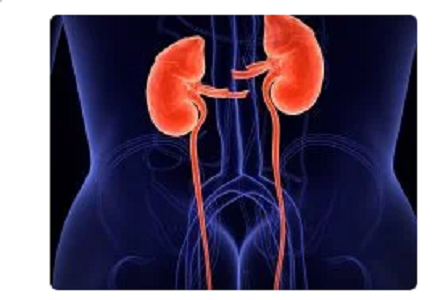
Before undergoing an interventional procedure for a genitourinary condition, an accurate diagnosis is essential. The urinary system and reproductive organs can be affected by several conditions that may produce similar symptoms. Doctors therefore use a combination of medical history, physical examination, laboratory tests and imaging to understand the underlying problem.
A Genitourinary Interventions Doctor in Gurugram evaluates these findings carefully before deciding whether an interventional treatment is appropriate. Proper diagnosis can help identify the location and nature of the condition and provide useful information for planning the procedure.
Want a direct connection with us on WhatsApp? Click now.
What Are Genitourinary Conditions?
Genitourinary conditions affect the urinary system or the reproductive organs. Depending on the condition, a person may experience symptoms such as pain, difficulty passing urine, blood in the urine, changes in urinary frequency or other concerns.
Some conditions may require medication or observation, while others may need an interventional approach. The treatment depends on the diagnosis, severity, location and overall clinical situation.
Dr. Pulkit Rangarh focuses on evaluating the available clinical information before an intervention is considered, helping ensure that the treatment plan is based on the patient’s individual condition.
How Are Genitourinary Conditions Diagnosed?
Medical History and Symptoms
The diagnostic process generally begins with a detailed discussion about symptoms and medical history. The doctor may ask when the symptoms started, whether they are getting worse and whether they occur continuously or occasionally.
Information about previous illnesses, surgeries, medications and earlier investigations can also be relevant. Symptoms such as urinary discomfort, blood in the urine, abdominal or pelvic pain may provide important clues about the possible cause.
A Genitourinary Interventions Doctor in Gurugram may use this information to determine which examinations or diagnostic tests are appropriate.
Physical Examination
A physical examination can provide additional information about the patient’s condition. Depending on the symptoms, the doctor may examine the abdomen, pelvic region or other relevant areas.
The examination is considered along with the patient’s symptoms and previous medical information rather than being used alone to establish a diagnosis.
Urine and Blood Tests
Laboratory investigations can help doctors look for signs associated with certain urinary or systemic conditions.
A urine test may provide information about abnormalities in the urine, while blood tests can help assess relevant aspects of the patient’s general health. The exact tests depend on the symptoms and suspected condition.
These investigations may also be useful before an interventional procedure because the doctor needs to understand the patient’s current clinical status.
Ultrasound and Other Imaging Tests
Imaging plays an important role in evaluating many genitourinary problems. An ultrasound may be used to examine structures within the urinary system and identify certain abnormalities.
Depending on the clinical situation, additional imaging such as CT or MRI may be recommended. These tests can provide more detailed information about the location, size and characteristics of an abnormality.
The imaging findings can help an interventional specialist understand the condition and determine whether an intervention may be suitable.
Reviewing Previous Reports
Patients may already have diagnostic reports from another doctor or healthcare facility. These can include laboratory results, ultrasound reports, CT scans, MRI findings or previous treatment records.
Dr. Pulkit Rangarh can review the available medical information along with the current symptoms. This helps avoid relying on a single test and provides a broader picture of the condition.
Why Is Accurate Diagnosis Important Before an Intervention?
An interventional procedure should be based on an appropriate diagnosis and a clear understanding of the problem. Diagnostic information can help determine the exact area requiring treatment and whether an intervention is suitable.
It can also help the doctor understand important factors that may influence procedural planning. In some cases, further testing may be needed before treatment can be considered.
For this reason, consulting a Genitourinary Interventions Doctor in Gurugram can be an important step when symptoms or imaging findings suggest that an interventional approach may be required.
What Happens After Diagnosis?
Once the available information has been assessed, the doctor discusses the possible treatment options with the patient. Depending on the condition, options may include monitoring, medication, further investigation or an interventional procedure.
The doctor may also explain the purpose of the proposed procedure, preparation requirements, possible risks and expected follow-up.
Dr. Pulkit Rangarh can help patients understand their diagnostic findings and the next steps based on their individual clinical situation.
Frequently Asked Questions
What tests are used to diagnose genitourinary conditions?
The tests depend on the symptoms and suspected condition. They may include urine tests, blood tests, ultrasound and other imaging investigations such as CT or MRI.
Is imaging always required before a genitourinary intervention?
Not necessarily. The need for imaging depends on the patient’s symptoms, medical history and suspected diagnosis. When imaging is required, the doctor selects the appropriate test based on the clinical situation.
Why are previous medical reports important?
Previous reports can provide information about earlier investigations, diagnoses and treatment. Reviewing them may help the doctor understand how the condition has developed and whether additional testing is needed.
Can one test confirm a genitourinary condition?
It depends on the condition. Some problems may be identified with a particular investigation, while others require a combination of symptoms, examination findings, laboratory tests and imaging.
When should I consult a Genitourinary Interventions Doctor in Gurugram?
You can discuss your condition with an interventional specialist when you have a genitourinary problem for which an intervention has been recommended or when imaging or other investigations indicate that an interventional treatment may need to be considered.
Conclusion
Diagnosis is an important part of planning any genitourinary intervention. A careful assessment may include medical history, physical examination, laboratory investigations and imaging, depending on the patient’s condition.
A Genitourinary Interventions Doctor in Gurugram can review these findings and discuss whether an interventional approach is appropriate. Understanding the diagnosis and available treatment options can also help patients make informed decisions about their care.
For more information or to schedule a consultation, visit https://share.google/bI1IzCyOg3uUQW9n3 and take the first step toward achieving your dream.