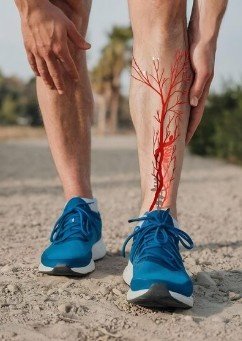
Peripheral vascular disease (PVD) is a condition that affects blood circulation outside the heart and brain, mainly in the legs and arms. It develops when blood vessels become narrowed due to plaque buildup, reducing blood flow to the limbs. Identifying the warning signs early can help prevent serious complications. According to Dr. Pulkit Rangarh, recognizing the symptoms in the early stages allows patients to receive timely treatment and avoid long-term vascular complications. If you are looking for the Best Peripheral Vascular Disease Treatment in Delhi NCR, understanding these symptoms is the first step toward protecting your vascular health.
Want a direct connection with us on WhatsApp? Click now.
Understanding Peripheral Vascular Disease
Peripheral vascular disease occurs when arteries become narrowed or blocked, limiting the supply of oxygen-rich blood to different parts of the body. The condition usually develops gradually and may not cause noticeable symptoms in its early stages. As the disease progresses, it can affect mobility, wound healing, and overall quality of life.
Timely diagnosis and proper treatment can reduce the risk of severe complications, making early awareness extremely important.
Early Signs of Peripheral Vascular Disease
Recognizing the symptoms early can help you receive the Best Peripheral Vascular Disease Treatment in Delhi NCR before the condition worsens.
Pain While Walking (Claudication)
One of the earliest and most common symptoms is pain or cramping in the legs while walking. The discomfort usually affects the calf muscles but may also occur in the thighs or buttocks.
Typically, the pain:
- Starts during physical activity.
- Improves after a few minutes of rest.
- Returns when walking again.
Many people mistake this pain for muscle fatigue or aging, delaying medical attention.
Numbness or Weakness in the Legs
Reduced blood flow can lead to numbness, tingling, or weakness in one or both legs. These sensations may become more noticeable after prolonged activity or while climbing stairs.
Ignoring these symptoms can allow the disease to progress silently.
Cold Feet or Lower Legs
A noticeable temperature difference between your legs or feet may indicate poor circulation. One foot may consistently feel colder than the other because less blood is reaching the affected area.
Persistent coldness should never be overlooked, especially if accompanied by other circulation-related symptoms.
Slow-Healing Wounds
Cuts, blisters, or sores on the feet that take an unusually long time to heal are often signs of reduced blood supply.
Healthy blood circulation delivers oxygen and nutrients needed for tissue repair. When circulation is compromised, even small wounds may become infected or develop into serious ulcers.
If you notice delayed wound healing, seeking the Best Peripheral Vascular Disease Treatment in Delhi NCR is highly recommended.
Changes in Skin Color and Texture
Peripheral vascular disease can cause visible changes in the skin, including:
- Pale or bluish skin.
- Shiny or smooth skin.
- Reduced hair growth on the legs.
- Thickened toenails.
These changes occur because the affected tissues are not receiving enough oxygen and nutrients.
Weak or Absent Pulse
A healthcare specialist may detect a weak pulse in the feet or ankles during a physical examination. Although this symptom cannot usually be identified at home, it is one of the important clinical indicators of peripheral vascular disease.
Regular vascular evaluations become especially valuable for people at higher risk.
Pain Even During Rest
As peripheral vascular disease advances, pain may continue even while sitting or lying down. This indicates that blood flow has become severely constricted.
Rest pain often affects the toes or feet and tends to worsen at night. It requires prompt medical evaluation to prevent further complications.
Who Is at Greater Risk?
Certain factors increase the likelihood of developing peripheral vascular disease, including:
- Smoking or tobacco use
- Diabetes
- High blood pressure
- High cholesterol
- Obesity
- Physical inactivity
- Increasing age
- Family history of cardiovascular disease
Managing these risk factors can significantly reduce the chances of developing advanced vascular disease.
Why Early Diagnosis Matters
Peripheral vascular disease is more than just leg pain. Left untreated, it may increase the risk of severe infections, non-healing ulcers, tissue damage, and even limb loss. Dr. Pulkit Rangarh emphasizes that early diagnosis helps identify circulation problems before they become severe, allowing patients to benefit from personalized treatment plans and better long-term outcomes.
Early diagnosis allows doctors to recommend lifestyle modifications, medications, minimally invasive procedures, or surgical treatment depending on the severity of the condition.
Consulting an experienced vascular specialist ensures that the underlying cause is accurately identified and managed before irreversible damage occurs.
Treatment Options for Peripheral Vascular Disease
The patient’s general health and the disease’s stage determine the best course of action.
Common treatment options include:
- Lifestyle modifications
- Smoking cessation
- Blood pressure and cholesterol management
- Diabetes control
- Exercise therapy
- Medications to improve blood flow
- Minimally invasive vascular procedures
- Surgical intervention for advanced blockage
Patients searching for the Best Peripheral Vascular Disease Treatment in Delhi NCR should choose a vascular specialist who provides comprehensive evaluation and personalized treatment planning.
Tips to Protect Your Vascular Health
Healthy habits can slow disease progression and improve circulation.
Simple preventive measures include:
- Walk regularly.
- Eat a heart-healthy diet.
- Maintain a healthy weight.
- Control blood sugar levels.
- Stop smoking.
- Stay physically active.
- Schedule routine health check-ups.
These lifestyle changes support better blood circulation and reduce the risk of vascular complications.
Conclusion
Peripheral vascular disease often develops gradually, making it easy to ignore its early warning signs. Symptoms such as leg pain while walking, numbness, cold feet, slow-healing wounds, and skin changes should never be dismissed. Seeking timely medical care can prevent serious complications and improve long-term vascular health.
If you are looking for the Best Peripheral Vascular Disease Treatment in Delhi NCR, Dr. Pulkit Rangarh provides comprehensive evaluation and advanced vascular care tailored to each patient’s condition. Dr. Pulkit Rangarh focuses on early diagnosis and evidence-based treatment to help patients regain healthy circulation and improve their quality of life. With expert guidance from Dr. Pulkit Rangarh, patients can receive the Best Peripheral Vascular Disease Treatment in Delhi NCR through personalized and effective vascular care.
For more information or to schedule a consultation, visit https://share.google/bI1IzCyOg3uUQW9n3 and take the first step toward achieving your dream.