
Author: Dr. Pulkit Rangarh
Uterine fibroids are a common concern among women, especially during their reproductive years. If you are searching for the Best Uterine Fibroids Treatment in Faridabad, understanding this condition is the first step toward better health. Many women ignore early signs; however, timely diagnosis can prevent complications and improve quality of life.
Want a direct connection with us on WhatsApp? Click now.
What are uterine fibroids?
Uterine fibroids, also known as leiomyomas, are non-cancerous growths that develop in or around the uterus. These growths range in size from extremely small to fairly large and are composed of muscle and fibrous tissue.
Although fibroids are usually harmless, they can sometimes lead to discomfort and health complications depending on their size, number, and location. In many cases, women may not even realize they have fibroids because symptoms can be mild or absent.
However, when symptoms appear, seeking the Best Uterine Fibroids Treatment in Faridabad becomes essential for effective management.
Types of uterine fibroids
Understanding the types of fibroids helps in determining the right treatment approach:
1. Intramural fibroids
They are the most prevalent kind and form inside the uterine muscle wall.
2. Submucosal fibroids
These grow into the inner lining of the uterus and may affect fertility.
3. Subserosal fibroids
These are found on the outer surface of the uterus and can press on surrounding organs.
4. Pedunculated fibroids
These grow on a stalk either inside or outside the uterus.
Each type may present different symptoms, which is why early consultation is important when considering the Best Uterine Fibroids Treatment in Faridabad.
Common symptoms of uterine fibroids
While many women experience no symptoms, others may notice clear warning signs. The most common symptoms include:
- Heavy or prolonged menstrual bleeding
- Painful periods
- Pelvic pressure or pain
- Frequent urination
- Constipation
- Lower back pain
- Pain during intercourse
In addition, fibroids can sometimes cause abdominal swelling or make the stomach appear enlarged.
These symptoms should not be ignored, especially when they begin to interfere with daily activities.
When do fibroids require treatment?
Not all fibroids need immediate treatment. In fact, some cases can be managed with regular monitoring. However, treatment becomes necessary under certain conditions.
Persistent heavy bleeding
If menstrual bleeding becomes excessive or lasts longer than usual, it may lead to anemia (low red blood cell count). This condition can cause fatigue and weakness.
Severe pelvic pain
Chronic pelvic pain or pressure is a strong indicator that fibroids are affecting surrounding organs.
Rapid growth of fibroids
If fibroids grow quickly, they may distort the uterus or cause visible abdominal enlargement.
Fertility issues
Submucosal fibroids, in particular, may interfere with conception or lead to pregnancy complications.
Bladder or bowel problems
Frequent urination or constipation may occur when fibroids press on nearby organs.
When these symptoms arise, consulting a specialist for the Best Uterine Fibroids Treatment in Faridabad is highly recommended.
Causes and risk factors
It’s unclear exactly what causes uterine fibroids. However, several factors are believed to contribute:
- Hormonal imbalance (estrogen and progesterone)
- Genetic changes
- Family history
- Early onset of menstruation
- Obesity or lifestyle factors
Hormones play a significant role, as fibroids often grow during reproductive years and may shrink after menopause.
Diagnosis of uterine fibroids
Fibroids are often detected during routine pelvic exams. However, additional tests may be required for confirmation, such as:
- Ultrasound imaging
- Pelvic examination
- MRI in complex cases
Early diagnosis allows doctors to plan the most suitable treatment strategy.
Treatment options for uterine fibroids
Treatment depends on the severity of symptoms, the size of fibroids, and the patient’s overall health.
1. Watchful waiting
If symptoms are mild, doctors may recommend monitoring without immediate intervention.
2. Medications
Hormonal treatments can help control symptoms like heavy bleeding and pain, although they may not eliminate fibroids completely.
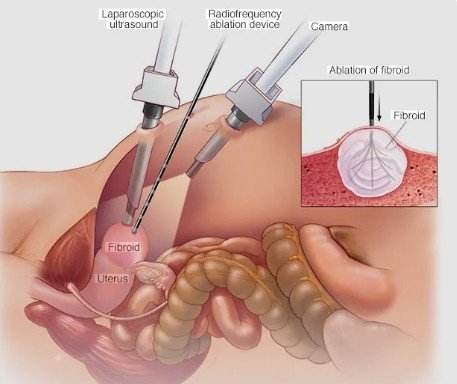
3. Minimally invasive procedures
These include techniques that shrink or remove fibroids without major surgery.
4. Surgical options
In severe cases, procedures such as myomectomy (removal of fibroids) or hysterectomy (removal of the uterus) may be recommended.
Choosing the Best Uterine Fibroids Treatment in Faridabad ensures access to advanced and personalized care tailored to individual needs.
Why early treatment matters
Ignoring fibroid symptoms can lead to complications such as:
- Severe anemia
- Chronic pain
- Fertility issues
- Pregnancy complications
Therefore, early intervention not only improves symptoms but also helps preserve reproductive health.
How lifestyle can help manage symptoms
Although medical treatment is often required, certain lifestyle changes can support overall health:
- Maintaining a balanced diet
- Regular exercise
- Managing stress
- Routine health check-ups
These measures can help in reducing the impact of fibroids and improving well-being.
Conclusion
Uterine fibroids are a common yet manageable condition. While many women may not experience symptoms, others may face significant discomfort that affects daily life. Recognizing early warning signs such as heavy bleeding, pelvic pain, and urinary issues is crucial.
If symptoms persist or worsen, seeking the Best Uterine Fibroids Treatment in Faridabad is the most effective way to ensure proper diagnosis and care. With the right medical guidance and timely intervention, fibroids can be treated successfully, allowing women to lead a healthy and comfortable life.
For more information or to schedule a consultation, visit https://share.google/bI1IzCyOg3uUQW9n3 and take the first step toward achieving your dream.