
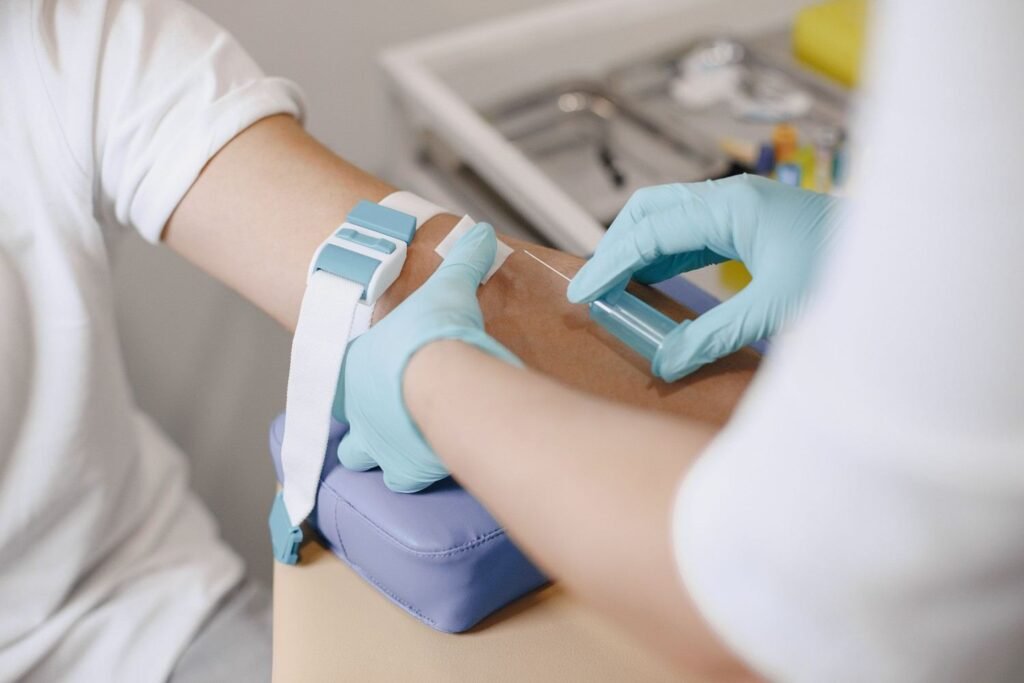
A biopsy is an important medical procedure used to examine a small sample of tissue or cells under a microscope. Doctors may recommend a biopsy when they need more information about an unusual lump, abnormal tissue, swelling, or a change seen during an imaging test. Understanding the purpose of a biopsy can help patients feel more prepared before the procedure. If you are looking for Biopsy Treatment in Gurugram, Dr. Pulkit Rangarh can help you understand why a biopsy may be recommended and what the results can reveal.
Want a direct connection with us on WhatsApp? Click now.
What Is a Biopsy?
A biopsy involves removing a small sample of tissue or cells from the body so it can be examined in a laboratory. The sample is usually evaluated by a pathologist who looks for abnormal changes in the cells or tissue.
A biopsy does not always mean that cancer is suspected. Doctors may use it to investigate several different conditions, including infections, inflammation, abnormal growths, and other tissue changes.
The type of biopsy depends on the location and nature of the area being examined. Some biopsies use a needle, while others may require a small surgical procedure. Dr. Pulkit Rangarh can explain the appropriate approach based on the patient’s symptoms and clinical findings.
What Conditions Can a Biopsy Diagnose?
A biopsy can provide valuable information about many medical conditions. Some of the common reasons for performing a biopsy include the following.
Cancer and Abnormal Growths
One of the best-known uses of a biopsy is evaluating a suspicious growth or mass. A biopsy can help determine whether abnormal cells are cancerous or non-cancerous.
If cancer is identified, laboratory examination can also provide information about the type and characteristics of the abnormal cells. This information may help doctors plan further evaluation and treatment.
Inflammatory Conditions
Some diseases cause inflammation and changes in body tissues. When symptoms or imaging results do not provide enough information, a tissue sample may help doctors identify specific inflammatory changes.
Depending on the affected organ, biopsy findings can contribute to diagnosing certain inflammatory or autoimmune-related conditions.
Infections
Certain infections can affect tissues in ways that cannot always be confirmed through symptoms or imaging alone. A biopsy sample may be examined for signs of infection or other changes associated with microorganisms.
Additional laboratory tests may sometimes be performed on the sample to help identify the cause.
Liver Conditions
A liver biopsy may be recommended in selected cases when doctors need detailed information about liver tissue. It can help assess certain liver diseases, inflammation, scarring, or other abnormal changes.
The decision to perform a liver biopsy depends on the patient’s medical history, examination findings, blood tests, and imaging results.
Lung and Chest Abnormalities
A biopsy may be considered when imaging identifies a suspicious area in the lung or surrounding tissues. The tissue sample can help determine the nature of an abnormality and whether further treatment or investigation is required.
The method used depends on the location of the abnormal area and the patient’s individual circumstances.
Skin Conditions
Skin biopsies are commonly used when a doctor needs to examine an unusual mole, persistent skin lesion, rash, or other change in the skin.
A laboratory examination can help distinguish between different skin conditions and identify abnormal cellular changes that may require further attention.
How Is a Biopsy Performed?
The biopsy technique depends largely on where the abnormal tissue is located. A needle biopsy uses a needle to collect tissue or cells from a specific area. In some cases, doctors use imaging guidance to help position the needle accurately.
An incisional biopsy removes part of an abnormal area, while an excisional biopsy may remove the entire small lesion or growth.
Before recommending a procedure, the doctor considers the patient’s symptoms, examination findings, imaging results, and overall medical situation. Dr. Pulkit Rangarh can discuss the procedure, preparation, and expected recovery with the patient.
What Happens After a Biopsy?
After the tissue sample is collected, it is sent to a pathology laboratory for examination. The results may take some time depending on the type of testing required.
A biopsy report may provide information about whether the tissue appears normal, inflamed, infected, benign, or malignant. Sometimes additional laboratory testing is required before a final diagnosis can be made.
It is important to discuss the report with the treating doctor rather than trying to interpret individual medical terms without clinical context.
When Should You Ask About Biopsy Treatment in Gurugram?
A doctor may recommend Biopsy Treatment in Gurugram when an abnormal area needs further evaluation and other examinations cannot provide enough information.
If you have been advised to undergo a biopsy, ask your doctor why it is being recommended, what type of biopsy is planned, how the sample will be collected, and when you can expect the results. Dr. Pulkit Rangarh can guide patients through these questions and help them understand the next steps.
Frequently Asked Questions
Does every biopsy mean cancer?
No. A biopsy can be performed for many reasons, including investigating inflammation, infection, benign growths, skin changes, and other abnormalities. A biopsy is a diagnostic procedure and does not automatically mean that cancer is present.
How long does a biopsy take?
The duration varies according to the type and location of the biopsy. Some procedures can be completed relatively quickly, while others may require more preparation or a surgical setting.
Is a biopsy painful?
The level of discomfort depends on the type of biopsy and the area being examined. Local anaesthesia is commonly used for many procedures to reduce pain during tissue collection. Your doctor can explain what you are likely to experience.
How long does it take to receive biopsy results?
The reporting time varies depending on the tissue sample and the laboratory tests required. Your doctor or pathology laboratory can provide a more specific expected timeframe.
What should I do after receiving my biopsy report?
Discuss the report with your treating doctor. The findings need to be interpreted alongside your symptoms, examination, imaging, and other test results before deciding on the next step.
Conclusion
A biopsy can provide important information when doctors need to understand an unusual tissue change, lump, lesion, or other abnormal finding. It can help investigate conditions ranging from infections and inflammation to benign growths and cancer.
If you have been advised to undergo a biopsy, understanding the purpose of the procedure can make the process less confusing. For those searching for Biopsy Treatment in Gurugram, Dr. Pulkit Rangarh can provide guidance regarding the diagnostic process and help patients understand what to expect before and after a biopsy.
For more information or to schedule a consultation, visit https://share.google/bI1IzCyOg3uUQW9n3 and take the first step toward achieving your dream.