
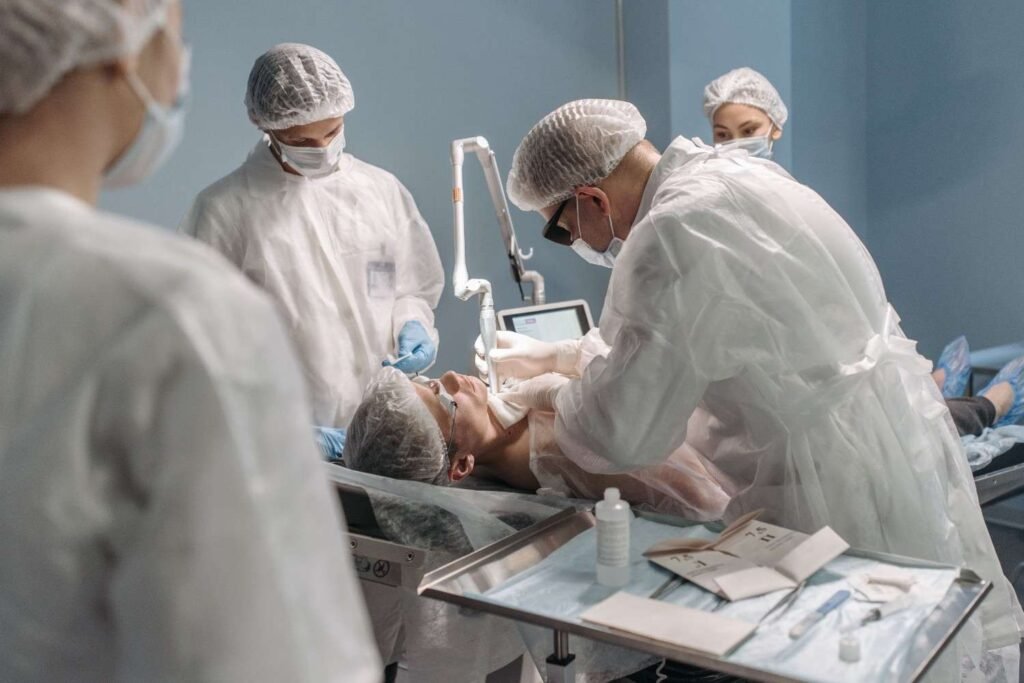
A buildup of pus or fluid inside the body can cause pain, swelling, discomfort, and sometimes serious complications if left untreated. In certain cases, a medical drainage procedure helps remove the accumulated fluid and allows the affected area to heal. Understanding when this procedure may be necessary can help patients seek timely medical attention.
If you are looking for a Drainage Procedure in Gurugram, knowing the possible causes, warning signs, and available treatment options is a useful first step. Dr. Pulkit Rangarh emphasizes the importance of proper medical evaluation to identify the source of fluid buildup and determine the most appropriate approach for each patient.
Want a direct connection with us on WhatsApp? Click now.
What Is a Drainage Procedure?
A drainage procedure involves removing unwanted fluid, pus, or other accumulated material from a specific area of the body. The fluid may collect because of an infection, inflammation, injury, or an underlying medical condition.
Depending on the location and nature of the problem, a doctor may use a needle, a small incision, or a drainage tube to remove the collection. Some procedures can be performed under local anaesthesia, while others may require additional preparation or hospital-based care.
The treatment method depends on the size and location of the collection, the patient’s overall health, and the suspected cause.
Which Conditions May Require a Drainage Procedure?
Several medical conditions can lead to fluid or pus accumulation. A doctor will assess the symptoms and may recommend drainage when it is clinically appropriate.
Abscesses
An abscess is a collection of pus that develops when the body responds to an infection. It may appear under the skin or form deeper inside the body.
Common symptoms include redness, swelling, tenderness, warmth, and pain. Some patients may also experience fever or feel generally unwell.
A skin abscess may require a small incision to release the pus. Deeper abscesses may need image-guided drainage or another specialist procedure. Antibiotics may also be necessary, depending on the infection and the patient’s condition.
Infected Fluid Collections
Infections can sometimes cause fluid to accumulate in tissues or body cavities. These collections may lead to persistent pain, fever, swelling, or other symptoms depending on their location.
When medication alone is insufficient or the collection needs to be removed, a doctor may recommend drainage. The procedure can help control the source of infection when used alongside other necessary treatments.
Pleural Effusion
Pleural effusion occurs when excess fluid collects between the lungs and the chest wall. It can develop due to several conditions, including heart problems, infections, and certain other illnesses.
Some patients experience breathlessness, chest discomfort, or a persistent cough. If the fluid causes significant symptoms or requires investigation, a doctor may recommend removing it using a procedure called thoracentesis. A chest drain may be needed in particular situations.
The appropriate treatment depends on the cause and amount of fluid present.
Joint or Soft Tissue Fluid Collections
Fluid may accumulate around joints or within soft tissues because of inflammation, injury, or infection. Symptoms can include swelling, pain, tenderness, and restricted movement.
A doctor may recommend aspiration to remove fluid from a joint or drainage for a suitable soft tissue collection. If a joint infection is suspected, prompt assessment is essential because delayed treatment can damage the joint.
Not every swollen joint requires drainage, so identifying the underlying cause is important.
Post-Surgical Fluid Collections
After surgery, some patients develop fluid collections near the operated area. These may include a seroma, which contains clear or straw-coloured fluid, or a collection associated with infection.
Small, uncomplicated seromas may resolve without intervention. Larger, painful, persistent, or infected collections may require aspiration or drainage after medical assessment.
Patients should contact their treating doctor if they notice increasing swelling, worsening pain, redness, discharge, or fever following surgery.
How Do Doctors Determine Whether Drainage Is Necessary?
Before recommending a Drainage Procedure in Gurugram, a doctor reviews the patient’s symptoms, medical history, and physical examination findings.
Depending on the suspected condition, further investigations may include:
Ultrasound: Helps identify fluid collections and guide certain drainage procedures.
CT scan: May help locate deeper collections and assess their size and extent.
Fluid testing: A collected sample may be examined to identify infection or other causes.
Blood tests: May help assess inflammation or signs of infection.
Not every patient needs all these investigations. The doctor selects tests according to the suspected condition and the patient’s clinical needs.
What Should Patients Expect During Recovery?
Recovery depends on the type of drainage procedure, the location of the collection, and the underlying condition. Some patients return home the same day, while others may need hospital observation or further treatment.
Patients should follow their doctor’s instructions regarding wound care, medication, activity, and follow-up appointments. If a drainage tube is inserted, they should receive clear guidance on how to care for it.
Seek medical attention if you develop increasing pain, new or worsening swelling, persistent fever, spreading redness, or unusual discharge. Severe breathing difficulty or other rapidly worsening symptoms require urgent medical care.
Frequently Asked Questions
Is a drainage procedure always necessary for an abscess?
No. The need for drainage depends on the abscess’s size, location, depth, and severity. A doctor determines whether drainage, medication, or a combination of treatments is appropriate.
Is a drainage procedure painful?
Some discomfort may occur, but local anaesthesia or other pain-control methods can be used when appropriate. The level of discomfort depends on the procedure and the affected area.
How long does recovery take after drainage?
Recovery varies according to the condition, the size of the fluid collection, and whether an infection is present. Your doctor can provide guidance based on your individual situation.
Can antibiotics replace a drainage procedure?
Not always. Antibiotics may treat certain infections, but some abscesses require drainage to remove the accumulated pus. Treatment depends on the type and severity of the infection.
When should I consult a doctor for fluid buildup?
Consult a doctor if you notice persistent swelling, increasing pain, redness, fever, or a suspected fluid collection. Seek urgent care for severe symptoms, including significant breathing difficulty or rapidly worsening illness.
Conclusion
A drainage procedure may be recommended for abscesses, infected fluid collections, pleural effusion, certain joint problems, and complications involving fluid accumulation after surgery. However, not every collection requires drainage, and the correct treatment depends on its cause and severity.
If you are considering a Drainage Procedure in Gurugram, consult a qualified medical professional for an accurate diagnosis and an appropriate treatment plan. Dr. Pulkit Rangarh encourages patients to seek timely medical advice when symptoms persist or worsen, helping ensure that the underlying condition receives appropriate attention.
For more information or to schedule a consultation, visit https://share.google/bI1IzCyOg3uUQW9n3 and take the first step toward achieving your dream.