
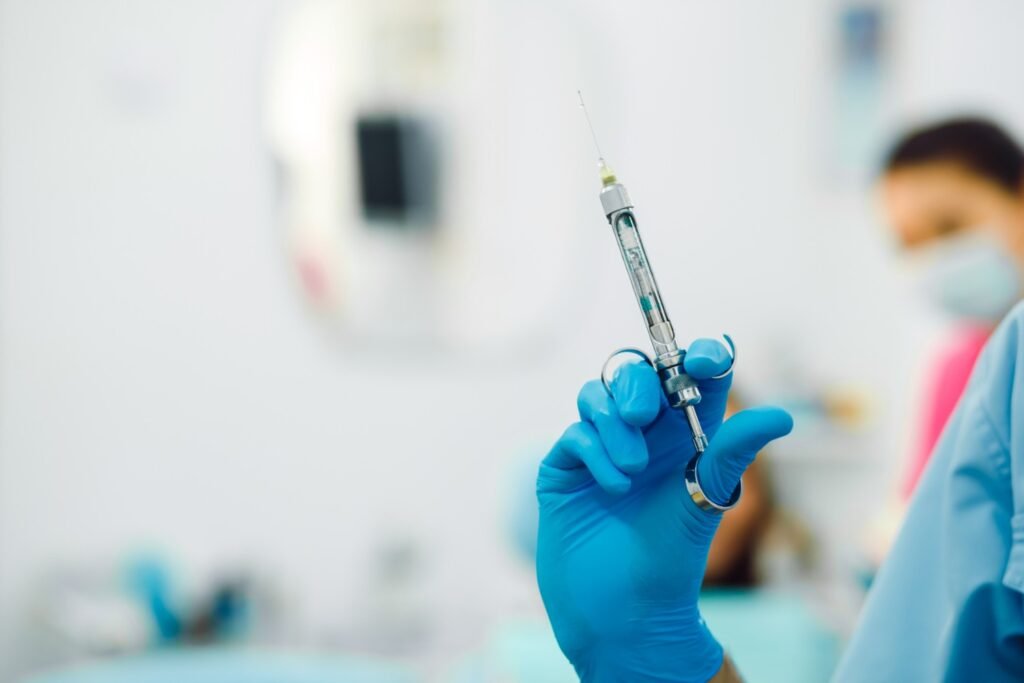
Finding a lump or unusual swelling can be worrying, especially when you do not know what is causing it. A doctor may recommend a Fine Needle Aspiration Cytology (FNAC) test to examine the cells in that area. Visiting an FNAC Biopsy Centre in Gurgaon can help patients understand the procedure and identify the next steps in their diagnosis. Dr. Pulkit Rangarh emphasizes that early evaluation of unusual lumps can help doctors make informed decisions about further testing and treatment.
FNAC is a minimally invasive diagnostic procedure. It uses a thin needle to collect cells or fluid from a lump for examination under a microscope. The test can help identify infections, inflammation, non-cancerous growths, and certain cancers.
Want a direct connection with us on WhatsApp? Click now.
What Is an FNAC Test?
FNAC stands for Fine Needle Aspiration Cytology. It is a diagnostic test that helps doctors investigate abnormal lumps, swellings, and nodules.
During the procedure, a healthcare professional inserts a thin needle into the affected area and collects a small sample of cells or fluid. A pathologist then examines the sample under a microscope.
The procedure usually does not require surgery or a hospital stay. It is commonly used to investigate lumps in the thyroid gland, breast, lymph nodes, salivary glands, and other soft tissues.
Dr. Pulkit Rangarh explains that FNAC provides useful diagnostic information while avoiding the need for a larger tissue sample in many cases. However, some conditions require additional investigations for a definite diagnosis.
When Do You Need an FNAC Test?
Doctors may recommend FNAC when a physical examination or imaging test reveals an unexplained lump or swelling. The decision depends on the location, size, appearance, and other clinical findings.
Common reasons for an FNAC test include:
- Thyroid nodules: To examine selected thyroid lumps that have suspicious features on ultrasound.
- Breast lumps: To investigate certain breast abnormalities when cytology is appropriate.
- Enlarged lymph nodes: To help identify infection, inflammation, or possible cancer.
- Salivary gland swellings: To assess unusual growths near the jaw or around the ears.
- Soft tissue lumps: To investigate selected swellings beneath the skin.
If you notice a lump that persists, grows, or changes in appearance, consult a healthcare professional. A specialist can determine whether FNAC, imaging, or another diagnostic procedure is appropriate.
FNAC Biopsy Centre in Gurgaon: How Is the Procedure Performed?
Many patients feel anxious before a biopsy because they expect pain or a lengthy procedure. However, FNAC is generally straightforward and minimally invasive.
Here is what you can typically expect:
- Initial examination: The doctor reviews your medical history and examines the affected area. Previous ultrasound scans or other reports may also be reviewed.
- Cleaning the area: The skin is cleaned to reduce the risk of infection. Local anaesthesia may be used when needed.
- Collecting the sample: A thin needle is inserted into the lump to collect cells or fluid. Sometimes, the doctor takes more than one sample to obtain enough material.
- Laboratory examination: The collected material is placed on slides or prepared for laboratory testing. A pathologist examines the cells under a microscope.
- Reviewing the results: Your doctor explains the report and discusses whether further tests or treatment are necessary.
An ultrasound may guide the needle when the lump is small, deep, or difficult to locate. At an FNAC Biopsy Centre in Gurgaon, patients should ask their healthcare provider about preparation, sample collection, and expected reporting time.
Is an FNAC Test Painful or Risky?
FNAC usually causes only mild discomfort. Some patients experience temporary soreness, tenderness, or bruising at the needle insertion site.
Serious complications are uncommon, although bleeding and infection can occur. The risks depend on the location being examined and the patient’s medical history.
Before the procedure, inform your doctor about any blood-thinning medicines, bleeding disorders, allergies, or other relevant health conditions. Do not stop prescribed medication unless your healthcare professional advises you to do so.
Dr. Pulkit Rangarh recommends following the instructions provided by the medical team and reporting unusual swelling, persistent bleeding, or worsening pain after the procedure.
Understanding FNAC Test Results
FNAC results help doctors understand the nature of the cells collected from a lump. Reports may indicate benign changes, inflammation, suspicious cells, malignant cells, or an insufficient sample.
A benign result generally means that the sampled cells do not show evidence of cancer. However, it does not always rule out malignancy. The needle may not have collected cells from the abnormal part of the lump.
Similarly, an inadequate result means the sample did not provide enough information for a reliable interpretation. In such cases, repeat FNAC, ultrasound-guided sampling, a core needle biopsy, or another investigation may be recommended.
Choosing an FNAC Biopsy Centre in Gurgaon should involve considering appropriate clinical assessment, laboratory expertise, and follow-up care. Dr. Pulkit Rangarh stresses that test results must always be interpreted alongside symptoms, examination findings, and imaging reports.
How to Prepare for an FNAC Test
Preparation is usually simple, particularly for superficial lumps. Most patients do not need to fast, although instructions can vary depending on the procedure and the area being examined.
To prepare, follow these practical steps:
- Carry previous scans, prescriptions, and relevant medical reports.
- Inform your doctor about medicines and existing health conditions.
- Ask whether you need to avoid food or drink before the procedure.
- Follow the instructions given by your healthcare team.
- Arrange follow-up to discuss the results and next steps.
These measures can help make the procedure more comfortable and ensure that important medical information is available.
Conclusion
An FNAC test is a valuable diagnostic tool for investigating unexplained lumps, nodules, and swellings. It helps doctors examine cells with minimal intervention and decide whether further investigations are necessary.
If you have noticed an unusual lump, do not ignore it or assume that it is harmless. Seeking advice from a qualified healthcare professional can help you understand your options. An FNAC Biopsy Centre in Gurgaon can be a starting point for discussing appropriate diagnostic testing and follow-up care. Dr. Pulkit Rangarh encourages patients to seek timely medical evaluation and remember that an FNAC report should always be interpreted in the context of their overall health.
Frequently Asked Questions (FAQs)
What is the full form of FNAC?
FNAC stands for Fine Needle Aspiration Cytology. It is a diagnostic procedure used to collect cells or fluid from a lump for microscopic examination.
How long does an FNAC test take?
The procedure often takes around 10–20 minutes, although the total time may vary depending on the location of the lump and whether imaging guidance is needed.
Can FNAC detect cancer?
FNAC can identify cells that suggest cancer in many cases. However, it cannot conclusively diagnose or exclude every type of cancer. Additional testing may be necessary.
Is fasting necessary before an FNAC test?
Fasting is usually unnecessary for FNAC of superficial lumps. However, certain image-guided procedures may require specific preparation, so follow your doctor’s instructions.
How long does it take to receive FNAC results?
Results may be available within a few days, depending on the laboratory, sample quality, and need for additional tests. Your healthcare provider can explain the expected timeline.
For more information or to schedule a consultation, visit https://share.google/bI1IzCyOg3uUQW9n3 and take the first step toward achieving your dream.