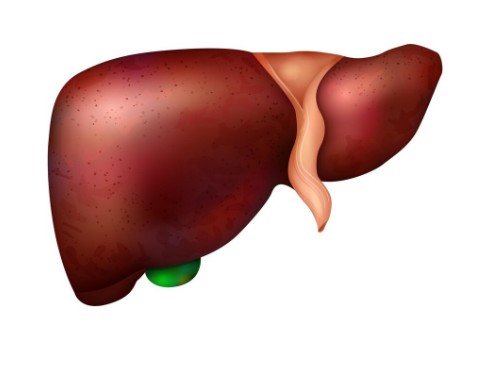
Liver cirrhosis is a progressive condition in which healthy liver tissue becomes damaged and is replaced by scar tissue. When identified early, cirrhosis may often be managed effectively by addressing its underlying cause and preventing further liver damage. Seeking appropriate Liver Cirrhosis Treatment in Gurugram can help patients understand their condition and take timely steps to protect liver function.
Early management is important because cirrhosis may not cause obvious symptoms in its initial stages. Regular medical evaluation can help identify liver problems before complications become more difficult to manage.
Want a direct connection with us on WhatsApp? Click now.
What Happens in the Early Stages of Liver Cirrhosis?
The liver performs several important functions, including processing nutrients, producing proteins and helping remove waste products from the body. Long-term liver damage can gradually lead to fibrosis and cirrhosis.
In compensated cirrhosis, the liver may still perform many of its normal functions despite the presence of significant scarring. Some people may have few or no noticeable symptoms at this stage.
Possible signs may include:
- Persistent tiredness
- Reduced appetite
- Unexplained weight changes
- Abdominal discomfort
- Nausea
- Easy bruising or bleeding
However, these symptoms can occur with many other conditions. A doctor may recommend blood tests, imaging or other investigations based on the patient’s symptoms and medical history.
Can Early Liver Cirrhosis Be Reversed?
Whether liver damage can be reversed depends on its cause, severity and how much permanent scarring has developed. Established cirrhosis generally involves permanent scar tissue, but early treatment can help slow or prevent further progression.
The main goal is to identify and manage the underlying cause of liver injury. Depending on the diagnosis, treatment may involve managing viral hepatitis, avoiding alcohol, addressing metabolic or fatty liver disease, or treating other conditions affecting the liver.
Dr. Pulkit Rangarh can help patients understand the likely cause of their liver condition and determine which evaluations and treatment approaches may be appropriate.
Treating the Underlying Cause
Cirrhosis does not have one single treatment that works for every patient. Management depends on what is causing liver damage.
A medical evaluation may focus on:
- Identifying the underlying liver disease
- Assessing liver function
- Monitoring the progression of fibrosis
- Managing associated health conditions
- Preventing possible complications
Following the recommended treatment plan consistently is an important part of long-term liver care.
How Is Liver Cirrhosis Managed?
Effective management usually involves a combination of medical care, lifestyle measures and regular monitoring. Patients should not make major dietary or medication changes without discussing them with their healthcare provider.
Lifestyle Changes
Healthy daily habits can support overall liver health. Depending on the individual’s condition, a doctor may recommend avoiding alcohol, maintaining a healthy weight, eating a balanced diet and staying physically active when appropriate.
It is also important to discuss medicines, supplements and herbal products with a doctor because some substances can affect the liver or interact with prescribed medicines.
Regular Monitoring
Cirrhosis requires ongoing medical follow-up. Regular monitoring can help doctors identify changes in liver function and detect complications at an earlier stage.
Dr. Pulkit Rangarh may assess the patient’s symptoms, medical history and test results to guide further evaluation and management.
Why Early Medical Care Matters
Waiting for severe symptoms can delay appropriate care. Some complications of advanced liver disease can significantly affect quality of life and may require more intensive treatment.
If liver disease has already been diagnosed, patients should follow their scheduled appointments and recommended investigations. If symptoms such as increasing abdominal swelling, yellowing of the skin or eyes, confusion, vomiting blood or unusual bleeding develop, prompt medical attention is important.
For people looking for Liver Cirrhosis Treatment in Gurugram, choosing timely medical evaluation can be an important step toward understanding the condition and managing it appropriately.
Frequently Asked Questions
Can liver cirrhosis be cured completely in its early stage?
Cirrhosis involves permanent scarring of the liver, so complete reversal is not always possible. However, treating the underlying cause may help slow or prevent further liver damage.
What is the best treatment for liver cirrhosis?
There is no single treatment suitable for everyone. Treatment depends on the underlying cause, severity of liver damage and the patient’s overall health. A doctor can recommend an appropriate management plan after evaluation.
Can lifestyle changes help manage cirrhosis?
Yes. Depending on the patient’s condition, avoiding alcohol, maintaining a healthy weight, eating appropriately and following medical advice can support liver health and overall well-being.
Can early cirrhosis have no symptoms?
Yes. Some people may have few or no noticeable symptoms during the early stages. This is why medical evaluation and appropriate monitoring can be important when liver disease is suspected.
When should someone consult a liver specialist?
Anyone with diagnosed liver disease, persistent liver-related symptoms or risk factors for chronic liver damage should discuss their condition with a qualified doctor. Early evaluation can help determine whether further testing or treatment is needed.
Conclusion
Early-stage liver cirrhosis should be taken seriously, but it does not mean that progression is unavoidable. Identifying the cause of liver damage, following appropriate treatment and making recommended lifestyle changes can help manage the condition and protect remaining liver function.
If you are looking for Liver Cirrhosis Treatment in Gurugram, consult Dr. Pulkit Rangarh for an evaluation based on your symptoms, medical history and diagnostic findings. Timely medical care and regular monitoring can play an important role in long-term liver health.
For more information or to schedule a consultation, visit https://share.google/bI1IzCyOg3uUQW9n3 and take the first step toward achieving your dream.