
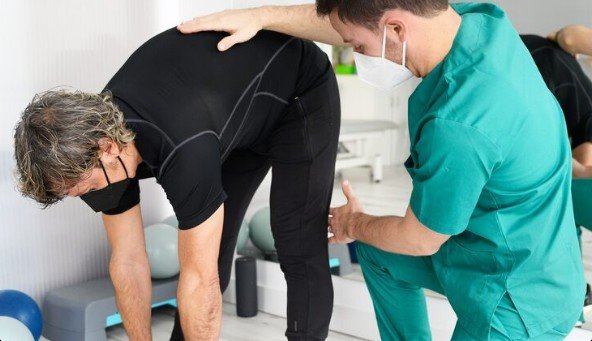
Joint and muscle pain can make everyday activities such as walking, climbing stairs, exercising, or even sitting for long periods uncomfortable. While some problems improve with rest and basic treatment, persistent pain may require a more targeted approach. Musculoskeletal interventions can help evaluate and manage several conditions affecting the joints, muscles, tendons, ligaments, and surrounding tissues.
If you are dealing with ongoing pain or restricted movement, consulting a Musculoskeletal Interventions Doctor in Gurugram can help identify the underlying problem and determine whether an intervention may be appropriate.
Want a direct connection with us on WhatsApp? Click now.
What Are Musculoskeletal Interventions?
Musculoskeletal interventions are targeted medical procedures used to diagnose or manage pain and other problems involving the musculoskeletal system. Depending on the condition, treatment may focus on a particular joint, tendon, muscle, or other painful area.
The appropriate intervention depends on factors such as the cause, location, duration, and severity of symptoms. A thorough clinical assessment is important before deciding on any procedure.
Dr. Pulkit Rangarh focuses on understanding the source of musculoskeletal symptoms and choosing an approach based on the individual’s condition rather than treating pain as a one-size-fits-all problem.
Common Joint Problems That May Need Musculoskeletal Interventions
Osteoarthritis and Joint Wear
Osteoarthritis can affect commonly used joints such as the knee, hip, shoulder, and other areas. Pain, stiffness, reduced mobility, and difficulty performing routine activities may occur.
When symptoms continue despite conservative management, a doctor may consider an appropriate musculoskeletal intervention depending on the joint and individual circumstances.
Persistent Knee Pain
Knee pain can have several causes, including arthritis, overuse, tendon problems, injuries, or inflammation. Persistent knee discomfort may interfere with walking, exercising, or daily activities.
A Musculoskeletal Interventions Doctor in Gurugram can assess the knee, determine what may be contributing to the symptoms, and discuss suitable treatment options.
Shoulder Pain and Stiffness
Shoulder conditions can make reaching overhead, dressing, lifting objects, or sleeping comfortably difficult. Problems involving the joint, tendons, or surrounding soft tissues may contribute to pain and stiffness.
Targeted interventions may sometimes be considered when symptoms remain troublesome and other treatments have not provided sufficient relief.
Hip Pain
Hip pain can affect movement and may sometimes be felt around the groin, thigh, or buttock. Arthritis, injuries, tendon-related problems, and other musculoskeletal conditions can contribute to hip discomfort.
The treatment approach depends on the specific cause and the findings of the medical assessment.
Muscle and Soft-Tissue Problems
Muscle Strains
Muscle strains commonly occur when a muscle is overstretched or subjected to excessive force. Mild strains may improve with appropriate conservative care, but persistent symptoms should not be ignored.
If pain continues or keeps returning, an evaluation can help determine whether there is an underlying issue requiring further management.
Tendon-Related Pain
Tendons connect muscles to bones and can become painful because of repetitive stress, overuse, or injury. Conditions affecting tendons may cause localized pain and discomfort during movement.
Depending on the affected tendon and severity of the condition, treatment can range from rehabilitation and activity modification to selected interventions.
Ligament and Soft-Tissue Injuries
Ligament and other soft-tissue injuries may occur during sports, falls, accidents, or sudden movements. Symptoms can include pain, swelling, weakness, or difficulty moving the affected area.
A proper assessment helps determine whether the injury can be managed conservatively or whether additional treatment is appropriate.
When Should You See a Musculoskeletal Specialist?
Not every episode of joint or muscle pain requires an intervention. However, professional evaluation may be useful when pain:
- Continues for an extended period
- Keeps returning after temporary improvement
- Limits normal movement
- Interferes with work, exercise, or daily activities
- Occurs with persistent stiffness or swelling
- Does not improve with basic treatment
Dr. Pulkit Rangarh can evaluate the symptoms and help determine whether a targeted musculoskeletal treatment is suitable for the individual’s condition.
What Happens During an Evaluation?
The first step is usually a detailed discussion about the pain, previous injuries, daily activities, and other relevant symptoms. A physical examination may then help identify the affected structures and possible source of discomfort.
Depending on the situation, diagnostic imaging or other investigations may be considered. Once the cause is better understood, the doctor can discuss available treatment options, including conservative management or an appropriate intervention when indicated.
This approach allows treatment to be planned around the actual problem rather than simply focusing on pain relief.
FAQs About Musculoskeletal Interventions
What conditions can musculoskeletal interventions treat?
They may be considered for selected joint, muscle, tendon, ligament, and other soft-tissue problems. The appropriate treatment depends on the underlying diagnosis and individual circumstances.
Is every joint pain problem treated with an intervention?
No. Many joint pain conditions can be managed with medication, physiotherapy, exercise modification, lifestyle measures, or other conservative approaches. An intervention is considered only when clinically appropriate.
When should I consult a Musculoskeletal Interventions Doctor in Gurugram?
Consider an evaluation if your joint or muscle pain persists, repeatedly returns, limits movement, or interferes with daily activities despite basic measures.
Can musculoskeletal interventions help with knee pain?
They may be appropriate for certain causes of persistent knee pain. A proper examination is needed to identify the cause and determine whether an intervention is suitable.
How is the right treatment decided?
Treatment is selected after considering the symptoms, clinical examination, medical history, and, when necessary, diagnostic investigations. The goal is to address the underlying problem as appropriately as possible.
Conclusion
Persistent joint and muscle pain can affect both mobility and quality of life, but the right treatment depends on understanding what is causing the symptoms. Musculoskeletal interventions may have a role in managing selected problems involving joints, muscles, tendons, ligaments, and other soft tissues.
If you are experiencing ongoing musculoskeletal pain, consulting a Musculoskeletal Interventions Doctor in Gurugram can help you understand the cause and explore suitable treatment options. Dr. Pulkit Rangarh can assess the condition and guide you toward an appropriate management plan based on your individual needs.
For more information or to schedule a consultation, visit https://share.google/bI1IzCyOg3uUQW9n3 and take the first step toward achieving your dream.