Radiology is an essential part of modern medical diagnosis. It allows doctors to examine internal organs, bones, tissues, and blood vessels through imaging techniques without relying solely on physical examination. When symptoms are unclear or a condition needs further evaluation, imaging can provide important details that may not be visible from the outside. A Radiologist in Gurgaon plays an important role in reviewing these images and identifying abnormalities that can support further medical care.
Different imaging methods are used for different clinical concerns. X-rays, ultrasound, CT scans, MRI scans, and other radiological examinations can help doctors investigate a broad range of health conditions. Dr. Pulkit Rangarh understands the importance of correlating imaging findings with the patient’s symptoms and clinical history.
Want a direct connection with us on WhatsApp? Click now.
How Does Radiology Help in Medical Diagnosis?
Radiological imaging creates detailed views of structures within the body. Each technique works differently and is selected according to the body part being examined and the information required.
For example, an X-ray may be suitable for examining a suspected bone injury, while ultrasound can be useful for evaluating certain abdominal or soft-tissue concerns. CT and MRI scans can provide more detailed images in appropriate situations.
A Radiologist in Gurgaon studies the images produced during these examinations and reports relevant findings to help the treating doctor make informed clinical decisions.
Common Medical Conditions Evaluated Through Radiology
Bone, Spine, and Joint Disorders
Radiology is frequently used when a person has suffered an injury or experiences persistent pain affecting the bones or joints. X-rays can help assess fractures, while other imaging techniques may be recommended when a more detailed evaluation is required.
MRI can provide useful information about structures such as ligaments, tendons, cartilage, and certain soft tissues. Imaging may also be used when evaluating spinal problems, joint changes, or other musculoskeletal concerns.
Dr. Pulkit Rangarh can help in the radiological assessment of imaging studies requested for musculoskeletal conditions.
Brain and Head Conditions
Imaging is often important when doctors need to examine the brain and other structures within the head. CT scans may be used in situations requiring rapid assessment, while MRI can provide detailed views of brain tissue and related structures.
Depending on the clinical concern, radiology may assist in evaluating conditions associated with stroke, head injury, bleeding, certain masses, or structural abnormalities. The imaging results are considered alongside symptoms, examination findings, and other tests.
Chest and Respiratory Conditions
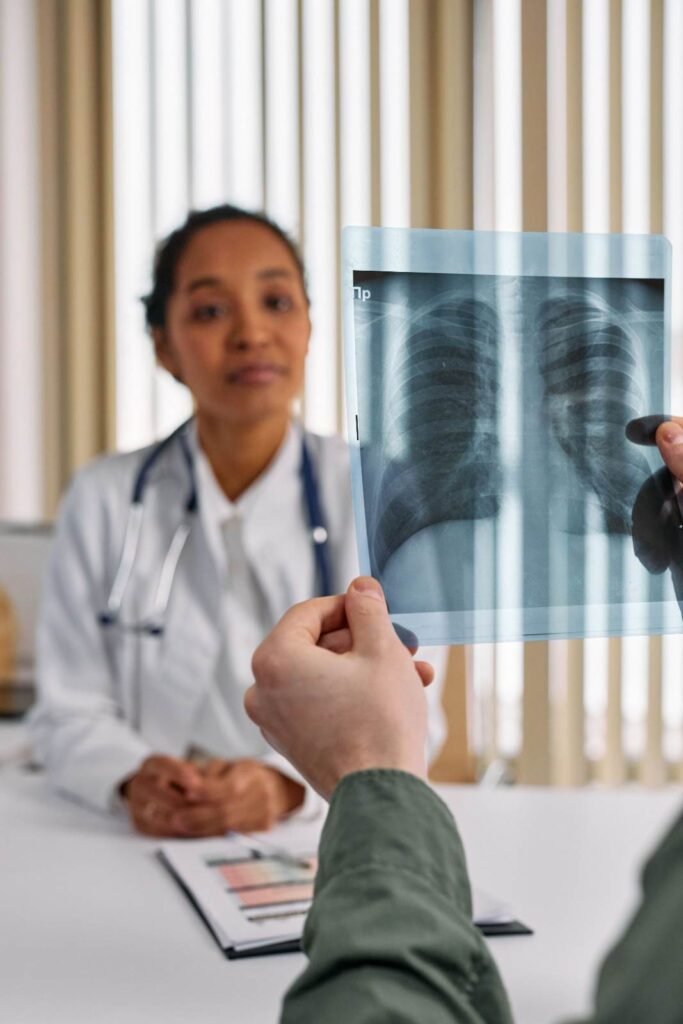
Chest imaging can help doctors investigate symptoms such as persistent cough, breathing difficulty, chest discomfort, or suspected infection. A chest X-ray is commonly used for an initial assessment, while CT imaging may be considered when additional detail is needed.
Radiological examinations can help identify abnormalities involving the lungs, pleura, and other structures within the chest. Imaging findings can then guide further evaluation or treatment planning.
A Radiologist in Gurgaon contributes by carefully assessing the images and reporting findings that may be relevant to the patient’s clinical condition.
Abdominal and Pelvic Conditions
Many organs in the abdomen and pelvis can be examined with ultrasound, CT, or MRI. These tests may be recommended when doctors suspect problems involving the liver, gallbladder, kidneys, pancreas, intestines, bladder, or reproductive organs.
Radiology can help identify abnormalities such as stones, cysts, inflammation, fluid collections, or unusual growths. However, the exact cause of a problem may sometimes require additional tests.
Dr. Pulkit Rangarh recognizes that selecting the right imaging study depends on the symptoms and the specific clinical question that needs to be answered.
Kidney and Urinary System Problems
Radiological imaging can be useful for investigating kidney-related symptoms and urinary tract concerns. For instance, imaging may help evaluate suspected stones, blockage of urine flow, structural changes, or abnormalities affecting the kidneys and nearby structures.
Ultrasound is often used in suitable cases because it can provide images without using ionizing radiation. CT may be recommended in certain situations when more detailed information is needed.
Breast Abnormalities
Radiology also has an important role in the assessment of breast concerns. Mammography, ultrasound, and MRI may be used depending on the patient’s symptoms and the nature of the clinical finding.
These examinations can help investigate a breast lump, changes seen during a clinical examination, or abnormalities detected during previous imaging. Sometimes, further assessment is necessary because imaging findings alone may not always provide a definite diagnosis.
Blood Vessel and Circulation Problems
Certain radiological techniques are designed to assess blood vessels and blood flow. Doppler ultrasound, CT angiography, and MR angiography may be used when vascular evaluation is clinically indicated.
These examinations can help doctors assess narrowed vessels, blood flow patterns, or other vascular abnormalities. The most appropriate test depends on the area being investigated and the patient’s individual circumstances.
Radiology Is Part of the Overall Diagnostic Process
Although imaging provides valuable information, it is important to understand that radiology is usually one part of a complete medical assessment. A scan or X-ray may reveal an abnormality, but doctors often need to consider laboratory reports, symptoms, physical examination, and medical history before reaching a diagnosis.
This is why clear image interpretation is important. A Radiologist in Gurgaon provides detailed observations from diagnostic imaging, helping the treating medical team decide whether follow-up, additional tests, or further evaluation may be required.
Dr. Pulkit Rangarh supports the diagnostic process by focusing on the careful assessment and interpretation of radiological examinations.
When Might a Doctor Recommend Radiological Imaging?
A doctor may suggest imaging for many reasons. It may be required after an injury, during the investigation of unexplained symptoms, or to monitor an already known condition.
The choice of examination should always depend on medical requirements. Not every patient needs the same test, and one imaging technique may be more suitable than another for a particular clinical question.
Dr. Pulkit Rangarh highlights the importance of using appropriate imaging to obtain useful diagnostic information while supporting the patient’s overall medical evaluation.
Frequently Asked Questions
What diseases can be detected through radiology?
Radiology can help evaluate conditions affecting the bones, brain, lungs, abdomen, kidneys, blood vessels, breasts, and other parts of the body. The findings depend on the imaging technique and the condition being investigated.
Can radiology confirm every medical condition?
No. Imaging can provide important diagnostic clues, but some conditions require additional tests, clinical evaluation, or other investigations before a diagnosis can be confirmed.
What is the difference between CT and MRI?
CT and MRI are different imaging techniques. CT uses X-rays to create detailed cross-sectional images, while MRI uses magnetic fields and radio waves to produce detailed images of many body structures.
Can radiology help detect internal injuries?
Yes. Depending on the type and location of the injury, X-rays, CT scans, ultrasound, or MRI may help doctors assess internal structures and identify possible injuries.
When should I consult a Radiologist in Gurgaon?
A radiologist is generally involved when your doctor recommends an imaging examination. The radiologist evaluates the images and provides findings that help support your doctor’s diagnostic and treatment decisions.
Conclusion
Radiology helps doctors investigate a wide variety of medical conditions by providing detailed images of structures inside the body. From fractures and spinal concerns to brain, chest, abdominal, urinary, breast, and vascular conditions, diagnostic imaging can offer valuable information for medical evaluation.
The type of radiological examination depends on the patient’s symptoms and the clinical concern. Accurate interpretation is equally important because imaging findings need to be understood within the wider medical context.
If you need diagnostic imaging evaluation, consulting a Radiologist in Gurgaon can help ensure that your imaging examination is carefully assessed as part of the overall diagnostic process.
For more information or to schedule a consultation, visit https://share.google/bI1IzCyOg3uUQW9n3 and take the first step toward achieving your dream.